A seam locker keeps closing Pittsburgh and Whisper Lock joints clean and tight only while its rollers and guides stay in good condition. Maintenance on these machines is not a yearly service event: zinc buildup on the rolls, worn roller profiles, dry guide surfaces and loose alignment show up first as a loose seam, a lifted edge or a marked panel, and only later as machine wear. This guide covers the routine upkeep that keeps a locker closing consistently: cleaning the closing rollers, checking lubrication, inspecting roller surface and wear, and how those checks relate to gauge and alignment. Figures are the verified HF-1550 and L-12 specifications; service intervals beyond the machine's own manual are not prescribed here.
What Wears on a Seam Locker
The locker's closing rollers do the actual work of folding and compressing the formed profile, so they carry most of the contact with the sheet. As panels run through, zinc and dust from the galvanized strip build up on the roller faces and guides; roller profiles flatten or groove with use; guide surfaces where the panel slides can dry and drag. A roller that has lost its profile cannot close the hook cleanly, and zinc packed into the working face presses marks into the strip. Maintenance therefore centers on keeping the rolling surfaces clean and true, the moving parts lubricated, and the alignment holding the seam centerline.
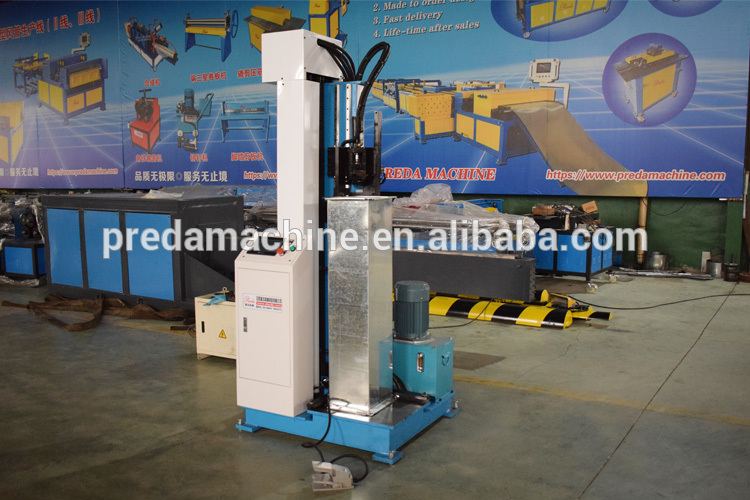
Gauge runs through the maintenance check. The HF-1550 CNC hydraulic vertical closer works 0.5-1.5 mm strip up to 1550 mm wide, with 3 kW hydraulic drive, PLC touchscreen, Pittsburgh and Whisper Lock capability, CE certification and a two-year warranty. The L-12 portable electric closer handles 0.5-1.0 mm Pittsburgh seams at 10 m/min on a 0.55 kW, 120 kg frame. Heavier gauge presses harder on the rollers and accelerates wear, so the inspection schedule and roller condition are read against the gauges the machine actually runs.
Routine Maintenance Checklist
The checklist follows the parts the panel touches first: roller faces, guides and feed path, moving joints and alignment. Clean before inspecting, because zinc on a roller hides the profile wear underneath. Each item has a signal that the condition needs attention before the next batch rather than after a stack of defective seams.
| Maintenance item | What is checked | Cleaning / upkeep focus | Warning signal |
|---|---|---|---|
| Closing roller faces | Profile shape, surface smoothness, no buildup or grooving | Wipe zinc and dust off the rolls; remove packed residue from the working face | Flattened or grooved profile, marked strip, seam that does not stay closed |
| Guides and feed path | Panel slides square; no dried drag on guide surfaces | Clean guide surfaces; keep contact points free of zinc buildup | Panel drags or skews entering the rollers; edge rubs along one side |
| Lubrication points | Moving joints, bearings and adjustment threads move freely | Lubricate per the machine manual; keep adjustment threads clean | Stiff adjustment, rough movement, squeal under feed |
| Roller wear profile | Hook-forming and closing rolls still match the seam profile | Compare against a reference seam; note profile height and wear | Consistently shallow or loose seam even at matched pressure |
| Alignment and fasteners | Rollers centered on the seam; mounts secure | Check roller centerline and tighten any loose mount | One-sided lift or uneven joint along the panel length |
| Hydraulic system (hydraulic model) | Pressure holds steady; hoses and oil in condition | Check oil level and condition; keep fittings clean | Pressure drifts under load or seam closes inconsistently |
Hydraulic and Portable Locker Upkeep Compared
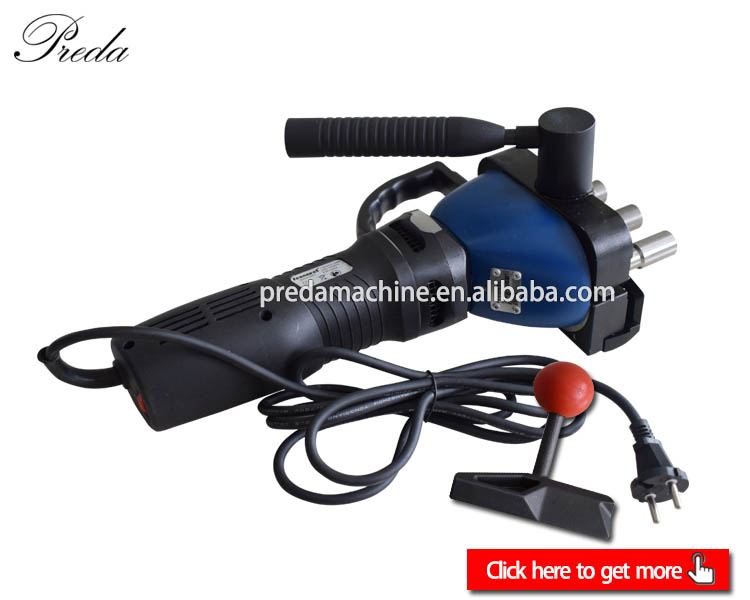
The HF-1550 and L-12 share the same roller-cleaning and alignment principles, but their upkeep differs with how they are built and used. The HF-1550 is the CNC hydraulic vertical machine for wider, heavier-gauge panels; its hydraulic circuit and PLC-setted stroke and pressure are part of the maintenance check alongside the rollers. The L-12 is the portable electric unit moved between workstations and field sections; its frame, rollers and drive are inspected for transport wear and zinc accumulation after being rolled to different locations. The table compares the verified machine figures and the maintenance focus for each class.
| Specification / focus | HF-1550 Hydraulic Locker | L-12 Portable Electric Locker |
|---|---|---|
| Seam profile | Pittsburgh / Whisper Lock | Pittsburgh |
| Material thickness | 0.5-1.5 mm | 0.5-1.0 mm |
| Max duct width | 1550 mm | Portable bench-top closer |
| Power / drive | 3 kW, CNC hydraulic | 0.55 kW electric |
| Working speed | CNC hydraulic closure | 10 m/min |
| Weight | Vertical hydraulic frame | 120 kg |
| Maintenance focus | Rollers, guides, hydraulic oil and pressure, alignment | Rollers, guides, drive and frame after transport |
| Certification / warranty | CE certified, two-year warranty | CE certified, two-year warranty |
Cleaning the Rollers Without Hiding Wear
Zinc buildup is removed from the roller faces before any wear judgment is made, because residue packed into the profile can make a worn roller look intact under pressure. After cleaning, the roller surface is checked for grooves, flat spots and loss of the hook-forming shape, and a reference seam at a common gauge is closed to compare against. If the cleaned roller still leaves a loose or marked seam, the problem is profile wear or pressure rather than dirt; the roller condition and the gauge it was run at are both recorded so the replacement call is based on evidence.
Pressure and alignment are checked after cleaning. A roller set for heavy gauge will crush or mark light sheet; a roller off-center presses one edge more than the other. Maintenance confirms the rolls track the seam centerline and the closing pressure matches the active gauge, so the cleaned surfaces are actually closing to the right condition. Gap and pressure setup by gauge is covered in the roller gap and gauge guide, which works through the measurement side in detail.
Signs Maintenance Is Due Before a Batch Fails
- Seam starts closing softer than usual: check roller profile and pressure before running the batch; worn rolls show up as a gradually looser joint.
- Marks or burnished lines along the seam: zinc buildup or a damaged roller face; clean first, then inspect the surface.
- Panel skews entering the machine: guides dragging or alignment shifted; clean and realign before continuing.
- Adjustment feels stiff or threads bind: lubrication point needs service; do not force the setting.
- Hydraulic closure drifts in pressure: check oil level, condition and hoses on the hydraulic model before closing heavier gauge.
Keep a cleaned reference roller and seam sample
After a maintenance clean, close one reference seam at each gauge you run often and keep it as the comparison sample. When a new batch comes off loose or marked, lay it against the sample before changing roller pressure or ordering a replacement.
Frequently Asked Questions
How often should locker rollers be cleaned?
Clean the closing rollers and guides as zinc and dust build up on the galvanized strip, and inspect the roller profile after cleaning. The exact cadence follows the gauges and daily run length; heavier gauge and long panels deposit residue faster.
When does a roller need replacing rather than cleaning?
Once buildup is removed, if the profile is flattened, grooved or cracked, or a reference seam still closes loose or marked at matched pressure and alignment, the roller has worn past cleaning and should be replaced.
Does maintenance cover the hydraulic pressure setting?
On the HF-1550 the hydraulic oil level, condition, hoses and steady pressure are part of the check; the stroke and pressure are set to profile and gauge on the PLC touchscreen. Pressure drift or inconsistency points to the hydraulic circuit before the rollers are blamed.
Can a portable locker be maintained the same way as a hydraulic one?
The roller cleaning, wear and alignment checks apply to both. The L-12 additionally gets its frame, drive and transport wear inspected after moving between stations and field sections; the HF-1550 adds the hydraulic circuit check for its heavier-gauge, wider panel work.
Preda Care Service Promise
Every Preda Machine ships CE certified with a two-year warranty, backed by 24/7 technical support, free spare parts shipping, remote PLC programming assistance and a global agent network. A support engineer can review your locker condition, gauges and panel widths against the HF-1550 or L-12 and advise on roller cleaning, wear checks and spare parts.
Keep Your Seam Closers Closing Clean and Consistent
Send your gauges, panel widths and the seam condition you are seeing, and we will recommend the hydraulic or portable Pittsburgh locker and the roller maintenance and spare parts that keep finished seams closed and clean.
Compare Seam Lockers →