A defective Pittsburgh seam on a finished duct panel does not tell you where the fault started just by looking at the outside of the joint. The seam is formed in two steps: the upstream lockformer rolls the panel edges into the Pittsburgh profile, and the downstream seam locker folds and compresses that profile closed into the finished joint. A loose seam, lifted edge, split pocket or pressed mark can originate in either step, and in the gauge the panel was run at. This guide works from the defect on the finished seam back to the station that caused it, separating what the lockformer is responsible for from what the locker has to close. Machine figures are the verified HF-1550 and L-12 specifications; no unlisted cycle or timing figure is claimed.
How a Pittsburgh Seam Is Built Before It Is Closed
Before the locker touches it, the panel edge has already been shaped by the lockformer. That machine rolls the sheet into the hooked Pittsburgh profile along both panel edges; the profile's hook height, leg and evenness set how much material the locker has to work with. The locker then sits over the profile and its closing rollers fold the hook around the mating edge and compress the seam tight. If the profile itself is wrong, the locker cannot repair it; it can only close what the lockformer formed. Diagnosis therefore reads the finished seam, checks whether the profile was formed correctly upstream, and then inspects how the downstream locker closed it.
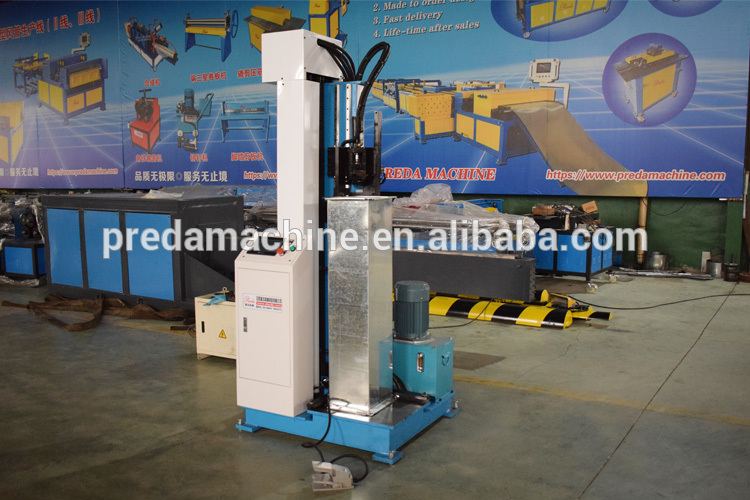
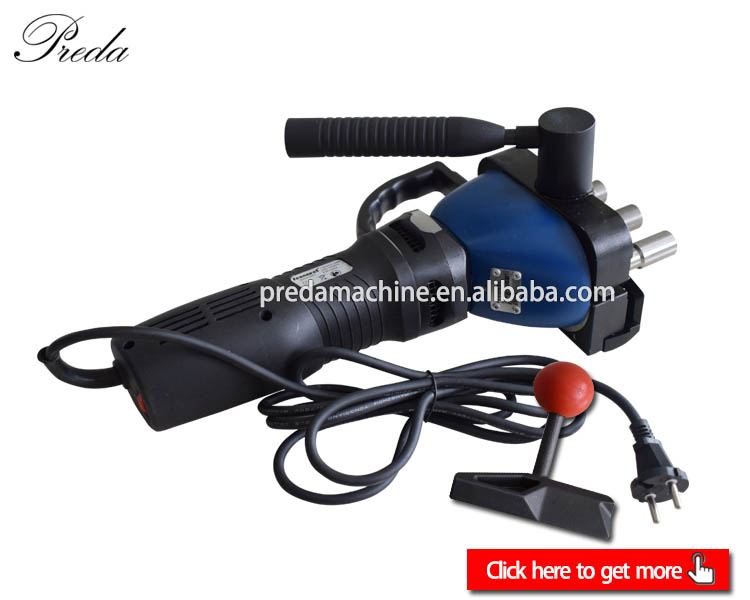
Gauge runs through both steps. The HF-1550 CNC hydraulic seam locker works 0.5-1.5 mm strip up to 1550 mm wide, with 3 kW installed power, PLC touchscreen control, Pittsburgh and Whisper Lock capability, CE certification and a two-year warranty. The L-12 portable electric locker handles 0.5-1.0 mm Pittsburgh seams at 10 m/min, 0.55 kW, 120 kg. A profile or closing pressure tuned for one gauge will misbehave on another, so the gauge is confirmed early in the diagnosis.
Reading the Defect on the Finished Seam
Each defect points toward a different part of the joint. A loose seam that opens along its length usually did not close tight; a lifted edge sits along one side rather than the whole joint; a split pocket or cracked hook shows the profile tore during closing; a pressed or marked seam shows roller contact rather than a forming error. The table maps the visible symptom to the station checked first and the usual cause, starting from the most upstream condition before blaming the locker.
| Defect on finished seam | What it looks like | Station checked first | Common source |
|---|---|---|---|
| Loose seam / open joint | Hooks do not hold; seam opens along length after closing | Downstream locker | Closing roller pressure or alignment not compressing the hook |
| Lifted edge on one side | One panel edge curls up while the other side sits flat | Upstream lockformer | Profile hook formed unevenly across the edge |
| Split pocket / cracked hook | Profile corner cracks or splits as the seam closes | Lockformer gauge, then locker | Gauge outside the profile range, or rollers over-tight |
| Roller marks / pressed marks | Grooves or burnished lines along the seam | Downstream locker | Roller surface, pressure or guide contact marking the strip |
| Uneven seam width | Joint width varies along the panel length | Both stations | Panel feed skew or roller alignment drifted along the run |
| Seam leaks at corners | Joint closes along the middle but gaps at panel ends | Locker entry alignment | Locker enters the profile off-square at the panel start |
What the Lockformer Owns vs What the Locker Owns
Separating the two steps keeps the diagnosis from turning every defect into a locker adjustment. The lockformer's job is the profile: correct hook height, even leg, consistent edge along the whole panel, and a gauge range the profile can hold. The locker's job is closure: entering the profile square, aligning its closing rollers, applying enough pressure to fold and compress without marking or tearing the strip. When a defective panel reaches the shop floor, the first check is the raw profile before closure, so the two responsibilities are not mixed.
| Condition to inspect | Lockformer responsibility | Locker responsibility |
|---|---|---|
| Profile shape | Hook and leg formed to the Pittsburgh profile across the edge | Enters the existing profile without deforming it |
| Gauge match | Profile rolled within the rated sheet thickness | Closing pressure set for that gauge |
| Edge evenness | Profile runs even along the full panel length | Rollers follow the seam without side drift |
| Closure tightness | Profile leaves enough material to hook over | Compresses the joint so it stays closed |
| Surface condition | No torn or cracked profile edge | No roller marks or over-pressure crushing |
| Corner / end seal | Profile reaches the panel end cleanly | Entrance aligned so ends close without gap |
Gauge as the Hidden Common Cause
Many seam defects look like a roller problem but trace back to running a panel outside the gauge the setup was tuned for. A heavier gauge needs the hook formed deeper and the closing pressure higher; a lighter gauge closes easily but can be marked or crushed by rollers set for thick sheet. Confirm the actual strip thickness on the defective panel before adjusting any roller, and compare it with the machine's rated band. The HF-1550 covers 0.5-1.5 mm and the L-12 covers 0.5-1.0 mm; a panel at or near the limit deserves a closer profile check than a mid-gauge run.
When the gauge itself sits correctly, roller alignment is the next variable. The closing rollers must track the seam centerline and enter the profile square; a side-shifted roller presses one edge more than the other, which shows as a lifted side or an uneven joint. The roller pressure is then matched to gauge, neither so light that the hook stays open nor so heavy that the strip marks or the pocket splits. Gap and pressure setup by gauge is covered in the roller gap and gauge guide, which goes through the measurement side in detail.
Diagnosis Sequence on a Defective Panel
- Confirm the gauge: measure the panel thickness first; note whether it sits in the machine's rated band.
- Inspect the unclosed profile: on a scrap edge, check hook height, leg evenness and any tear before the locker runs over it.
- Read the defect location: whole-length loose, one-sided lift, corner gap or surface mark tells you which station to open.
- Check locker alignment: entry square to the profile, rollers centered on the seam, no side drift along the run.
- Set pressure to gauge: light pressure leaves an open hook; heavy pressure marks or splits the pocket.
- Run a trial closure: close one trial panel and re-check the seam before repeating the batch.
Keep one seam sample per gauge on hand
Close a reference seam at each gauge you run often and keep it as the comparison sample. When a new batch comes off loose, lifted or marked, lay it against the reference instead of adjusting rollers to memory.
Frequently Asked Questions
Can the locker fix a poor lockformer profile?
No. The locker closes the profile it receives; a hook that is too shallow, uneven or torn cannot be recovered by more pressure from the downstream machine. Profile defects are corrected at the lockformer.
What causes a pocket to split during closing?
Usually the gauge is near or beyond the profile range, or the locker rollers are over-tight for that thickness. Check gauge first, then roller pressure and surface condition.
Hydraulic locker or portable locker for defect control?
The HF-1550 CNC hydraulic locker suits 0.5-1.5 mm panels up to 1550 mm wide with hydraulic closure and PLC control; the L-12 portable electric locker suits 0.5-1.0 mm light-gauge and field closure. Consistent seam control depends on matched gauge, alignment and pressure whichever class is used.
Why does the seam gap only at the corners?
Corner gaps most often come from the locker entering the profile off-square, so the ends close loosely while the middle presses tight. Check entry alignment before changing roller pressure.
Preda Care Service Promise
Every Preda Machine ships CE certified with a two-year warranty, backed by 24/7 technical support, free spare parts shipping, remote PLC programming assistance and a global agent network. A support engineer can review your seam defect photos, gauges and panel widths against the HF-1550 or L-12 and help trace the cause back to profile, alignment or pressure.
Get the Seam Closure Matched to Your Gauge and Profile
Send your panel thicknesses, seam profile and the defect you are seeing, and we will recommend the hydraulic or portable Pittsburgh locker and the roller alignment and pressure setup that keeps finished seams closed and clean.
Compare Seam Lockers →