In This Guide
TDF Bending: The Final Step in Flange Making
After the TDF flange is formed on the flange former, the final step is bending the flange to 90 degrees. This bend creates the mating surface that allows duct sections to bolt together. A good TDF bender ensures consistent, square flanges that seal properly and install easily.
Preda offers two TDF bender power options: electric and pneumatic.
Quick Answer
Most shops choose the Electric TDF Bending Machine — it's self-contained (just plug in), consistent torque, and no compressed air needed. If your shop already has a robust compressed air system (≥6 bar), the Pneumatic TDF Bender is a simpler, lower-maintenance option that's also faster cycle time.
Electric vs Pneumatic TDF Bender
| Feature | Electric TDF Bender | Pneumatic TDF Bender |
|---|---|---|
| Power Source | Electric (220V/380V) | Compressed air (≥6 bar) |
| Self-Contained | Yes — just plug in | No — needs air compressor |
| Cycle Speed | 2–3 seconds | 1–2 seconds |
| Max Thickness | 1.2mm | 1.2mm |
| Maintenance | Motor + gearbox | Pneumatic cylinder (simpler) |
| Noise Level | Quieter | Louder (air exhaust) |
| Best For | Most shops, no air system | Shops with robust air supply |
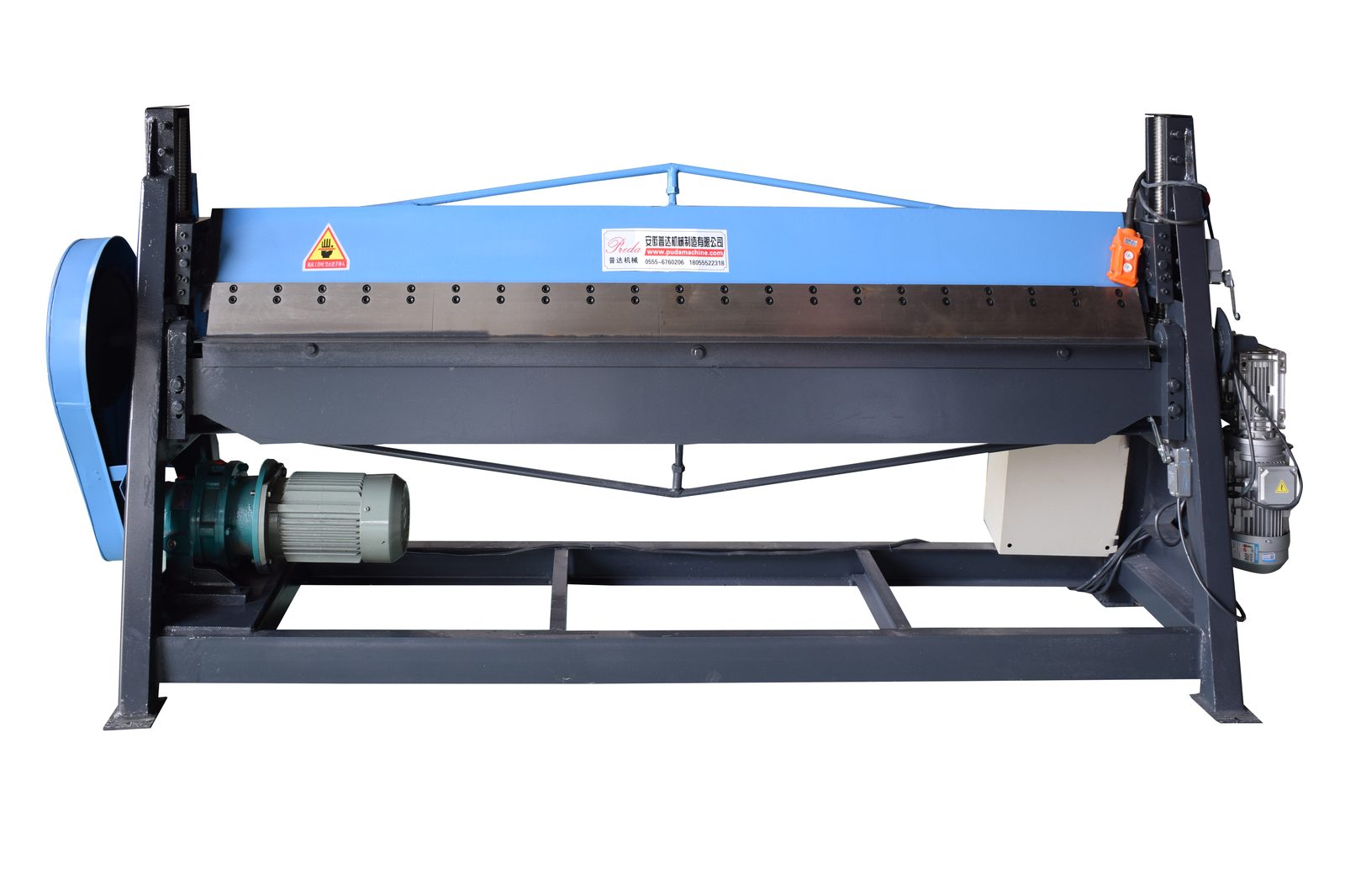
Electric TDF Bending Machine: Self-Contained and Reliable
The Electric TDF Bending Machine uses an electric motor and gearbox to drive the bending arm. It's completely self-contained — just plug into 220V or 380V power and you're ready to bend. No compressed air required.
- Self-contained: No external compressor needed — works anywhere with power
- Consistent torque: Electric motor delivers steady bending force — no pressure drop issues
- Quiet operation: Quieter than pneumatic — better for shop environment
- Precise 90-degree bend: Adjustable stop ensures consistent flange angle every time
- Easy maintenance: Motor and gearbox are sealed — minimal upkeep
Pneumatic TDF Bender: Fast and Simple
The Pneumatic TDF Bender uses a pneumatic cylinder to drive the bending arm. It's faster than electric (1–2 second cycle) and has fewer moving parts — just a cylinder and valve. Requires a compressed air supply of at least 6 bar.
- Faster cycle: 1–2 seconds per bend — higher throughput for high-volume shops
- Simpler mechanism: Pneumatic cylinder has fewer parts — less to maintain
- Lower cost: Typically less expensive than electric models
- Requires air supply: Need ≥6 bar compressed air — factor in compressor cost if you don't have one
How to Choose
- Do you have compressed air? Yes (≥6 bar, adequate CFM) → Pneumatic is faster and cheaper. No → Electric is the only practical choice
- Daily bend volume? >500 bends/day → Pneumatic's faster cycle adds up. <500 → Electric works fine
- Shop environment? Noise-sensitive → Electric is quieter. Already noisy shop → Pneumatic is fine
- Budget? Pneumatic is lower upfront cost, but factor in compressor if needed
Air Supply Check
If choosing pneumatic, verify your compressor can deliver ≥6 bar (90 PSI) and adequate CFM for the bender's cylinder size. A small compressor may cause slow cycles or incomplete bends. When in doubt, choose electric.
Preda Care: Benders That Keep Bending
Both electric and pneumatic benders use hardened bending dies for long life. Replacement dies and seals ship free. Electric models include lifetime motor and gearbox support. Pneumatic models include free replacement cylinder seals. Video troubleshooting available anytime.
Not Sure Which Power Type?
Tell us about your shop's power and air supply — we'll recommend the right TDF bender for your setup.
Get Free Consultation