Most duct shop scrap is not a machine problem - it is a training problem. The machine holds the tolerance it is set to hold; the operator is the one who decides whether the coil loads straight, whether the changeover happens without a kink, whether a worn roller gets flagged at the morning check instead of after the first hundred sections. This guide lays out a practical four-week duct machine operator training plan for a small fabrication crew, with the skills, the checklists and the acceptance tests that turn a new hire into someone who protects both the material and the machine.
Why the Operator Decides the Output
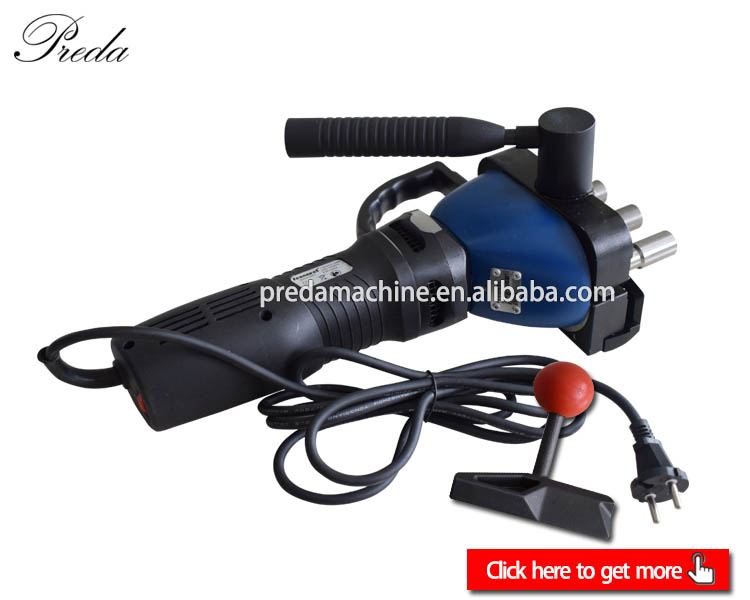
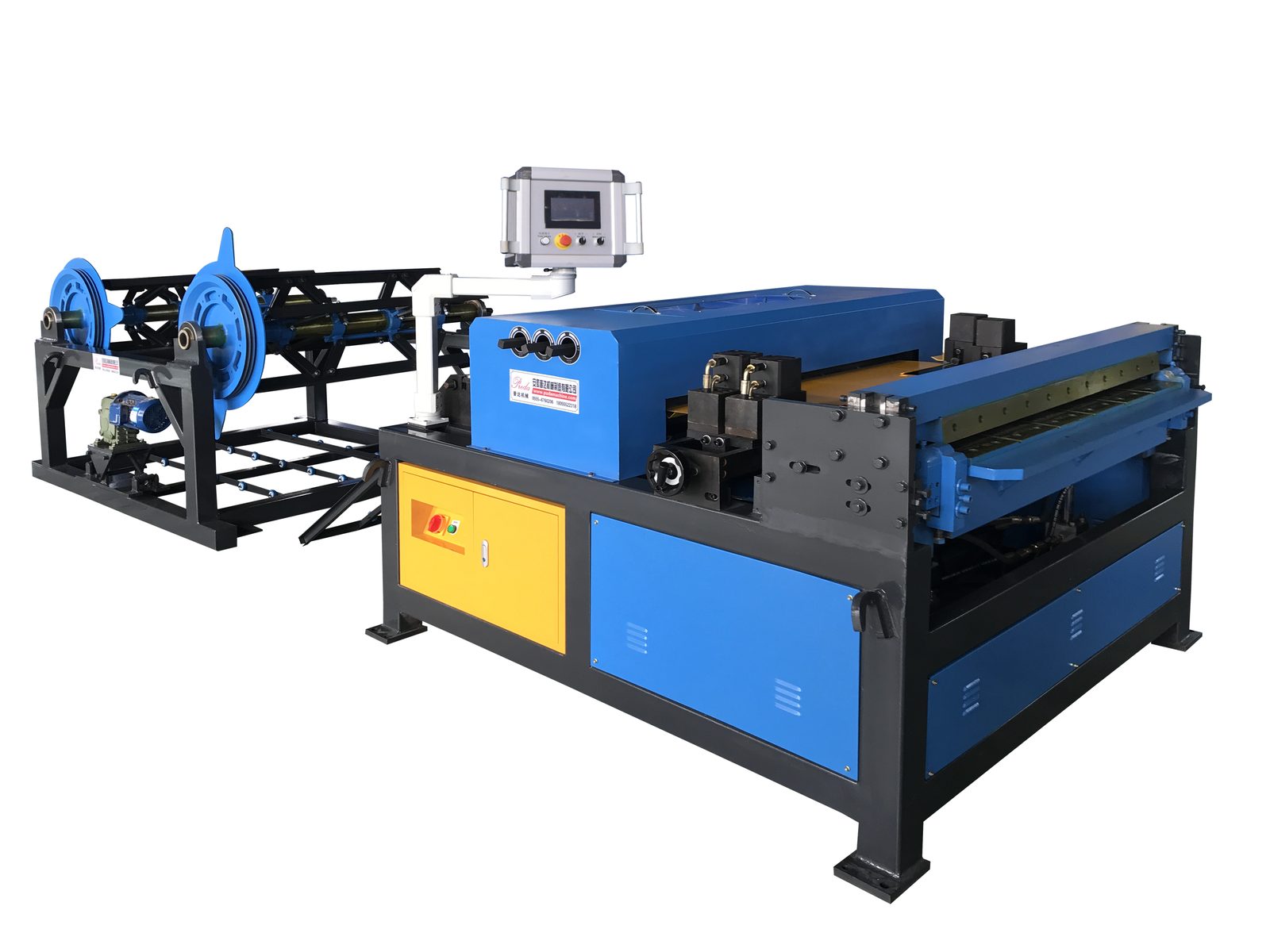
Take a mid-range auto duct line as the example. The AML-3 is rated at 12 m/min through 0.45-1.5 mm galvanized, with a two-station coil car queuing the next coil and a Mitsubishi PLC holding the geometry repeatable. The machine can do that all day - but only if the person running it loads the coil square, enters the section length without a typo, and notices the notch starting to drift before a full bundle is cut. On a manual bench the same truth applies in smaller units: a portable closer makes a clean Pittsburgh seam at 10 m/min only when the operator feeds the section straight and keeps the roller pressure consistent. The machine is a tool; the operator is the process.
The Four-Week Training Plan
Do not train on the production run. Train on offcuts and samples until the acceptance test passes, then move the trainee to real work under supervision. The plan below assumes one trainer and one trainee, an hour a day of dedicated practice, and a production supervisor who signs off each stage:
| Week | Focus | Key skills | Acceptance test |
|---|---|---|---|
| Week 1 | Safety, machine anatomy, daily checks | Lockout procedure, guards, oil levels, roller wear inspection | Performs the full daily checklist unassisted and explains each check |
| Week 2 | Material handling and loading | Coil loading, straightness check, thickness/gauge verification | Loads a coil square and verifies gauge before the first run |
| Week 3 | Running and adjusting | Set section length, read PLC screen, adjust pressure/notch position | Produces 20 straight sections, each passing the dimensional check |
| Week 4 | Changeover and troubleshooting | Size change, tooling swap, common faults (kinks, drift, misfeeds) | Completes a full size changeover in the target time with zero scrap |
Changeover Is the Skill That Pays
In most shops the changeover is where the money leaks. Every size change on a line or a lockformer means stopping the run, swapping tooling, resetting the program and running a test section - and the first section out of every changeover is usually scrap while the operator dials it in. A trained operator follows a written changeover sequence, checks the profile with calipers on the test section instead of eyeballing it, and keeps the changeover log so the next change is faster. Shops that treat changeover as a skill rather than an interruption typically cut both the time and the scrap in half within a month.
Common Operator Mistakes and How to Prevent Them
| Mistake | What it costs | Prevention |
|---|---|---|
| Loading the coil out of square | Wavy edges, drift, material jams | Check straightness at the coil car before the run starts |
| Skipping the daily wear check | Worn rollers ruin a whole batch before anyone notices | Morning checklist, signed off, before first coil |
| Eyeballing the first section | Out-of-tolerance duct ships to the site | Caliper check on the first section of every run and changeover |
| Wrong gauge fed to the machine | Scrap, and in the worst case tooling damage | Verify gauge against the work order before loading |
| Ignoring a small fault until it stops the line | Full-line downtime measured in hours | Fault log, and "stop and call" rule for anything abnormal |
Safety and Maintenance Habits
Training is where the maintenance culture is set. The same operators who will own the machine for years should learn it as protectors, not users: oil levels checked weekly, rollers inspected for pitting and flat spots, hydraulic lines checked for weep, and the fault log kept honestly. A line like the AML-3 with its dual-station coil car has moving parts that reward the daily glance; the cost of the glance is seconds, and the cost of skipping it is a jammed coil car at the worst moment of the week. On the portable closer, the habit is cleaning the rollers after every shift - galvanized fines build up and quietly change the seam.
Quality Checks the Operator Owns
Give the operator ownership of three checks and the shop gains a quality system without hiring an inspector. First, the first-section check after every setup and changeover - dimensions, squareness, seam profile. Second, the mid-run spot check - every twentieth section, pull one off and check the same points. Third, the end-of-run check that feeds back to the next setup. Shops that run these three checks find that defects are caught in minutes instead of at the pressure test, where rework costs ten times as much.
The two-hour rule
If a fault is not understood within two hours, stop and call the machine supplier. A trained operator knows his limits - and knowing when to make the call is part of the training.
Preda Care Service Promise
Every Preda Machine ships with documentation and setup support, backed by 24/7 technical support, free spare parts shipping, remote PLC programming assistance and a global agent network. When a fault passes the two-hour rule, the call reaches an engineer who built the machine.
Ready to Build Your Operator Skills?
Request the machine manual, training videos and setup documentation for the machines in your shop - we will send them with the quote.
View Duct Machines →Frequently Asked Questions
How long does it take to train a duct machine operator?
A focused four-week plan with daily practice produces an operator who can run, adjust and change over a machine with minimal scrap. Full proficiency on troubleshooting comes with months of varied work.
Can one operator run an auto duct line?
Yes - a line like the AML-3 is designed for one or two operators, with the coil car handling material changes. The training focus is changeover and quality checks rather than heavy labor.
What is the most common cause of duct machine scrap?
Setup errors and skipped checks: out-of-square coil loading, wrong gauge, and running without the first-section caliper check. All three are training gaps, not machine failures.
Should operators do their own maintenance?
Daily and weekly checks, yes - oil, rollers, hydraulics, cleaning. Major service stays with the supplier. The operator's checks are what keep major service rare.