CNC Press Brake
Last updated: October 14, 2026
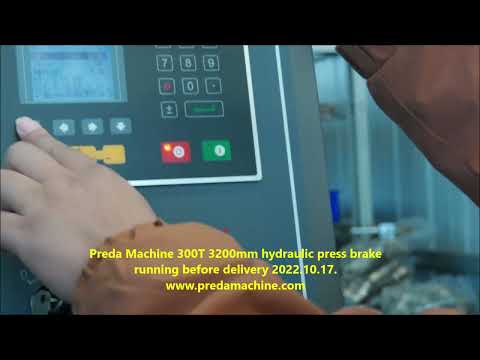
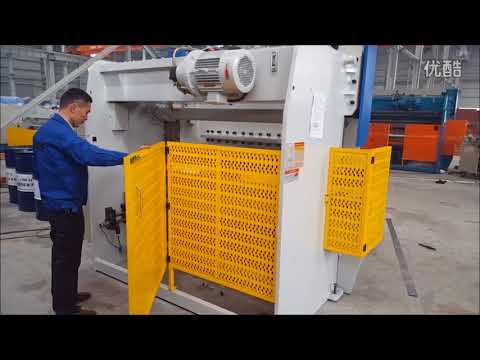
CNC hydraulic press brake for precision sheet metal bending with programmable angle and backgauge. Tonnage and bed length are configured to your material, gauge and daily part count.
Technical Specifications
What is a CNC Press Brake?
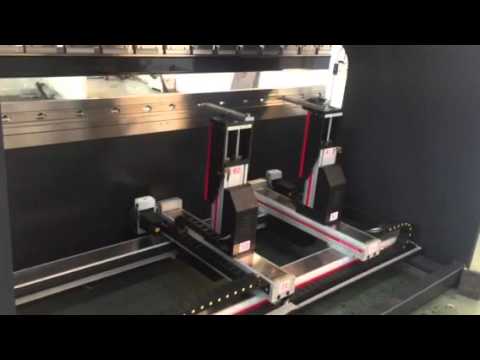
A press brake bends sheet metal by pressing a punch into a matched die. A CNC press brake adds programmable control of the ram and the backgauge, so once a part program is stored, every bend repeats to the same angle and flange length — part after part, shift after shift. In duct fabrication it handles the brackets, angles, stands and fittings that lockformers and benders do not cover.
Key Features
- CNC control with programmable bend angle and backgauge position
- Hydraulic drive delivers full tonnage through the stroke for heavy gauge
- Repeatable programmed bends — ±0.2° angle accuracy on CNC models
- Tonnage, bed length and tooling configured to your gauge and part mix
- Heavy-duty steel frame, CE certified, 2-year warranty
Still Bending to Layout Lines with a Hand Brake?
A hand brake bends whatever the operator feels — angle drifts, flange lengths vary, and every part is a one-off. When your fittings, hangers and brackets all come off the same manual machine, nothing fits twice and scrap climbs.
A CNC press brake stores the program once and repeats it forever. Set the backgauge, load the program, and every bend lands at the same angle and length with ±0.2° accuracy.
How It Transforms Your Production Line
The CNC Press Brake works on a proven principle — here is the step-by-step workflow that makes it possible:
Program Selection
The operator recalls the stored part program — bend sequence, angle, backgauge positions and ram depth are all pre-set from the first good part.
Sheet Positioning
The backgauge moves to the programmed position; the sheet is loaded against the fingers, so the bend line is placed by the machine, not by eye.
Programmed Bending
The hydraulic ram drives the punch into the die at the programmed depth. CNC angle control corrects for material springback to hold ±0.2°.
Repeat & Unload
The part is repositioned for the next bend or unloaded — every piece from the program is identical, and the next job is one button away.
Technical Specifications & Performance Data
Every specification on this machine is chosen for a reason. The table below shows not just the numbers, but what each one means for your daily production:
| Parameter | This Machine | What It Means for You |
|---|---|---|
| Control System | CNC — programmable angle & backgauge | Consistent, repeatable operation with minimal operator training |
| Construction | Heavy-duty steel frame | Vibration-free operation, 10+ year service life |
| Certification | CE certified | Meets European safety and quality standards |
| Warranty | 2 years | Peace of mind with comprehensive factory warranty |
Problems Solved: Before vs. After
We asked HVAC fabricators about their biggest production headaches. Here is how this machine directly addresses each one:
| Without This Machine | With This Machine |
|---|---|
|
✕ Angle drift bend to bend
Hand-bent parts vary, assemblies do not fit |
✓ CNC angle control ±0.2°
Stored programs repeat the same angle forever |
|
✕ Bend line by eye
Chalk lines and stops drift, flange lengths vary |
✓ Programmable backgauge
Machine-placed bend lines, identical flange lengths |
|
✕ Springback guesswork
Each gauge and material needs re-teaching |
✓ Programmed ram depth & crowning
Springback compensated in the program, not in the operator |
|
✕ One-off setup per part
Small batches never pay back the setup time |
✓ Stored part library
Recall any past part in seconds; small batches become profitable |
Where It Fits in Your Factory
This machine is versatile enough to serve multiple production scenarios. Here are the most common configurations our customers use:
Duct Fittings & Hangers
Bend the angles, U-channels, brackets and stands that hold your duct runs — the parts a lockformer cannot make.
Batch Production
Repeat programs make short runs profitable: recall, load, bend, unload — no re-teaching the machine per batch.
General Fabrication
Equipment enclosures, panels and architectural sheet metal — anywhere repeatable bends at volume matter.
Retrofit Cells
Add a CNC brake beside existing manual brakes and move repeat work to the programmed machine, keep the manual brake for one-offs.
Frequently Asked Questions
Click each question to see the answer. These are the questions our sales engineers hear most often:
Professional Packaging & Global Shipping
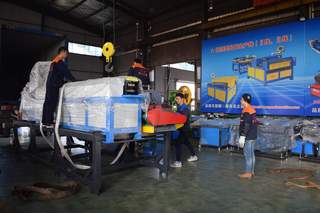
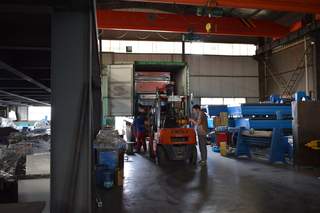
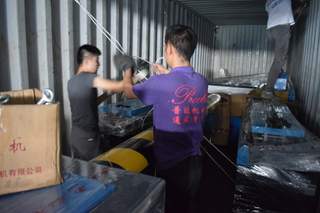
Every machine is professionally packaged and secured in a container for safe delivery to your port. We send you loading photos before the ship sails.
Calculate Your Return on Investment
Based on average industry data, here is what a typical customer saves after installing this machine:
* Figures based on average customer data for a shop producing 100-500 bends per day. Your actual results will vary based on production volume, labor rates, and current efficiency levels. Contact our engineers for a customized ROI calculation based on your specific operation.
Ready to Upgrade Your Electric Production?
Get a customized quote within 24 hours. Our engineers will help you configure the right machine for your specific production requirements.
WhatsApp / WeChat: +86-18355321923 | Email: jason@predamachine.com
Related Products
Buying Guides for This Machine Type
Before you request a quote: how this machine class compares, what it costs, and how to size it for your production volume.
Sheet Metal Brake Types Guide
Press brake vs pan brake vs folder — what each machine is for in a duct shop, and how they divide the work.
Read the guide → Buying GuideSheet Metal Bending Buying Guide
Sizing brakes by tonnage, length and control level — with the 8-tons-per-metre rule worked through.
Read the guide → GuideHydraulic Press Brake for HVAC Guide
Tonnage, crowning and tooling choices for duct brackets, angles and stands.
Read the guide →